It's Been a Year!
What have we learned this last year?
Coalt Robinson
10/16/20257 min read
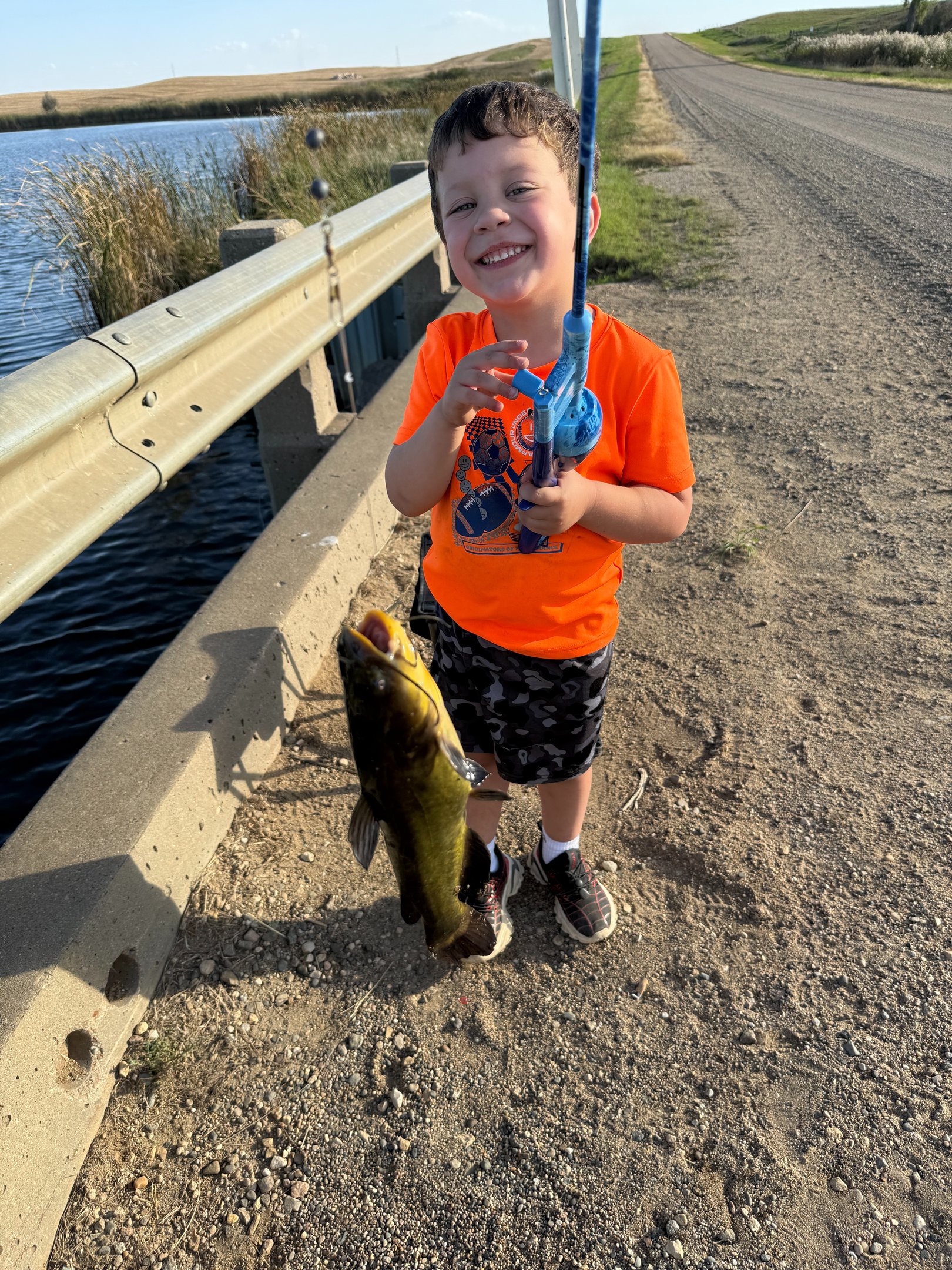
I was sitting at McDonald's today with Gage (it's what we have done every Monday this past year), and I was thinking about a year ago. The Fall Concert at James Valley, and it was this day, a year ago, that I took Gage to the doctor for the first time, as we were concerned about his eyes bulging out. Obviously, after that meeting with our doctor, we didn't have any answers, but the reality set in that this was a serious thing. I wasn't sure what to expect; perhaps the doctor would say it was just a regular part of Gage's growth, nothing to worry about. That wasn't the case, and it was a moment that started us down the path leading to the ECD diagnosis in December. When I think about the year, we say with the Psalmist, "How precious is your steadfast love, O God! The children of mankind take refuge in the shadow of your wings. They fast on the abundance of your house, and you give them drink from the river of your delights. For with you is the fountain of life; in your light do we see light."
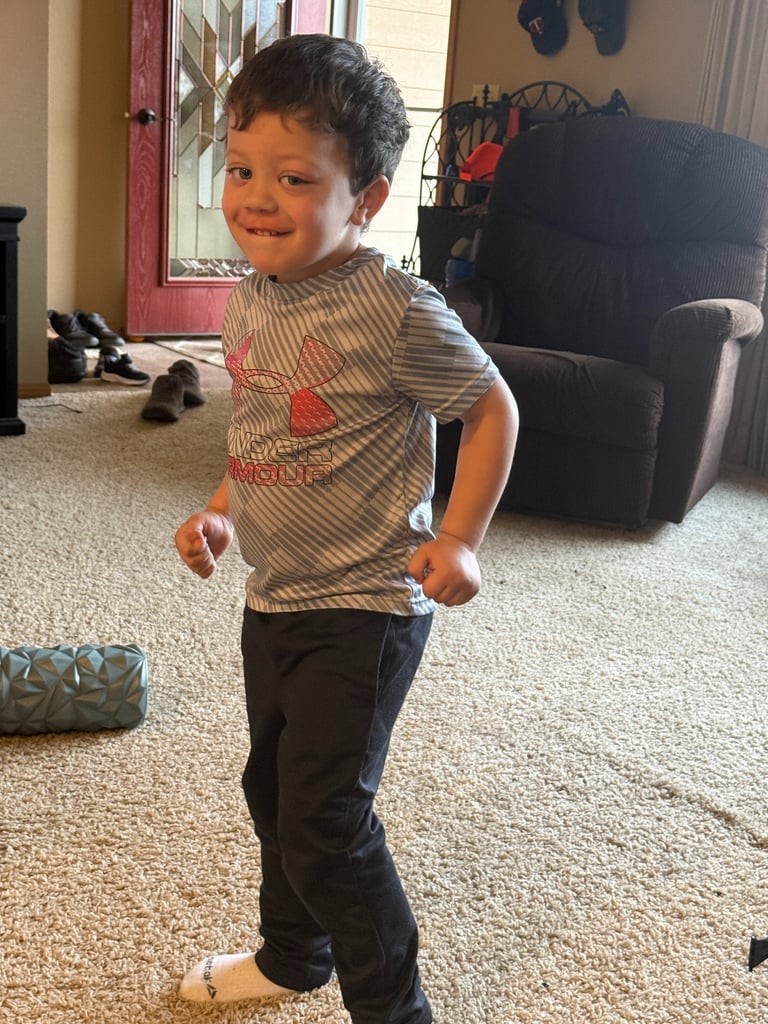
The Lord has been good this past year, just as He always has been. Our circumstances do not change God's goodness. After a year, is Gage healed? No. Will Gage ever be healed? I don't know the answer to that. We pray to that end every day. We do know that whatever happens this next year (or the ones to follow), God will be good to us in the midst of whatever we might face. What will the disease look like when he gets older? We don't know the answer to that. We do know that his body will go through a lot of changes, just as any boy's body does, but we do not see what bearing that will have on the progression of the disease or interaction with medication. My point is that there are many unknowns. We are thankful that, at this point, we have seen a significant reduction in the disease in his body. The only side effect of his targeted Chemotherapy medication is that his hair became fine and looked like he had it highlighted, but now it is coarse, dark, and a bit curly! Will the medication continue to work? There are no guarantees. Will there be more side effects? There haven't been any yet, which is a good sign, but it's still possible. These are some of the things we continue to get asked, and also some of the things I was thinking about in McDonald's as Gage was eating his cheeseburger and ice cream cone (see the video below - and you will understand why I had time to sit and think about these things as I was watching and praying for him).
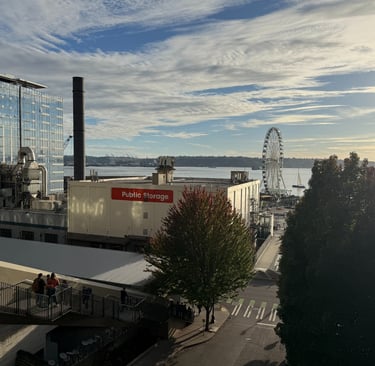
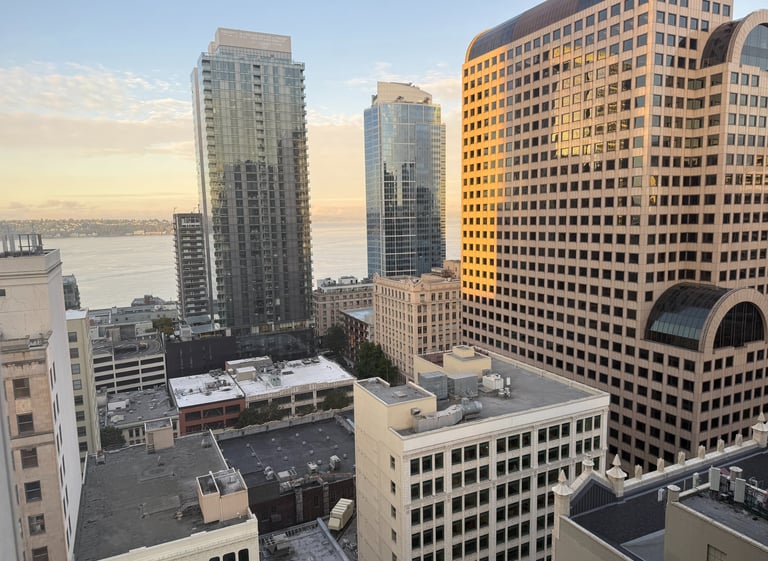
In early September, we went to Mayo Clinic for Gage's "three-month" scans (see the last update), and then later in September, Desirae and I went to Seattle for the Histiocytosis Association's Patient and Family Summit. Histiocytosis is the category of diseases that Gage fits into. It is a big word, but you can break it down into three parts: Histio, meaning tissue, Cyte, meaning cell, and Osis, meaning too many. There are five different groups of histiocytic diseases, including both cancerous and non-cancerous types. In all, there are about six different histiocytic disorders, as well as various combinations of them. The group that Gage belongs to is the L-Group, which includes Langerhans cell histiocytosis (LCH), which is the most common of histiocytic disorders. All Histio disorders are rare, and LCH accounts for about 2-3 out of every million people. LCH can occur in both children and adults, and is most commonly diagnosed between the ages of 1 and 3. Gage has a form of Non-Langerhans cell histiocytosis called Eardheim-Chester Diease, and only about 1500 cases of this have been reported worldwide (which translates to about 1 out of every 10,000,000 people). The Histiocytosis Association defines ECD this way: "Erdheim-Chester disease (ECD) is a rare type of blood disease that belongs to the histiocytic disorders group, or histiocytosis. Histiocytosis involves the excessive production of histiocytes, which are a type of white blood cell. These cells, which normally help fight infection and injury, then gather in different organs and tissues and can result in a variety of symptoms, including organ failure." It all sounds scary.
What has been interesting is to see how the awareness of this disease has increased in recent years, leading to more accurate descriptions of the disease and also opening the door to advanced treatment options. For instance, in 2016, the World Health Organization (WHO) changed the classification of both LCH and ECD from an inflammatory or autoimmune disease to a blood cancer. This change has sparked other groups to recognize ECD as a blood cancer; one of the most notable is Blood Cancer United (formerly the Leukemia and Lymphoma Society), which has gone a long way in helping to raise awareness for ECD by both funding and partnering with the Erdheim-Chester Global Alliance. Remember, I said that most people were diagnosed with LCH during the first few years of their life? The average diagnosis for someone with ECD is 55 years old, and a child with ECD is almost non-existent.
Why did Desirae and I travel to Seattle to attend this summit? There are a couple of reasons. The first is that this event was held in connection with the annual meeting of the Histiocyte Society, a group of about 220 doctors and scientists specializing in Histiocytic disorders, where they share information to advance treatment. This being said, over the past year, we have read and studied about ECD, and some of the same names continued to come up. These are the doctors that Gage's Doctor at Mayo consulted with as they were confirming his diagnosis, and for us to have access to these doctors this way was an incredible opportunity. Another reason that we decided to go is that we not only wanted to learn more about Gage's cancer, but we also wanted to meet others who were walking through something like we are. We got a chance to visit with several doctors (including the doctor that Gage's Doctor at Mayo studied under at Texas Children's Hospital). One of the most interesting interactions was with two pathologists (1 and 2) who presented during the summit. I asked both of them the age of the youngest person they had diagnosed with ECD. Both of them explained that ECD was very uncommon in children, and the first doctor said that the youngest she had diagnosed was 12, and the second was 21. Both doctors were interested in Gage and asked numerous questions that we couldn't answer.
We met a doctor briefly, who sent a text to our doctor saying she had met us there. It was fun to learn about this at our scheduled video visit with Gage's doctor. We met a 59-year-old with ECD whose wife worked for the Histiocytosis Association. It was interesting to hear his story and share Gage's story with him. He is actually on the same medication as Gage, along with a couple of others. What we learned from this man and several doctors we spoke with is that Gage is on the proper treatment, and the initial studies on its long-term effects seem encouraging. For instance, they do not believe that it will cause a secondary cancer.
I mentioned earlier that research into ECD (and other Histiocytic disorders) has made significant strides in recent years. For example, the drug Gage takes, although not approved for ECD, is being extensively studied for its potential in treating the condition. Other drugs in the same class (targeting a specific mutation) have been approved. Notably, the same mutation found in Gage is also present in different cancer patients, and they are using this drug. The drug that Gage is on was created to treat metastatic melanoma (and many have the same mutation as Gage does) and was approved for that condition in 2013. In 2022, efforts were made to expand its use to other conditions that had the same mutation (although it isn't FDA-approved to treat ECD yet). The treatment Gage is on wouldn't have been possible just a few years ago. In all, we were encouraged by our time in Seattle, but this isn't something that we will want to do very often. It was both encouraging and challenging to listen to doctors and hear stories. What was my takeaway from it all? I have a lot of thoughts swirling in my head, and writing this update will help me clarify some of them. Thank you for reading, sharing, supporting us, and most of all, for your prayers! We are incredibly grateful for all of you.